
Understanding the Toyota RAV4 Tire Pressure Display and How to Fix It
Ever seen that tire pressure warning light pop up on your Toyota RAV4 dashboard and wondered what it really means? You’re not alone. The Toyota RAV4 tire pressure display is designed to keep you safe, improve your fuel efficiency, and prevent tire damage but it can be confusing if you don’t know how to read or reset it.
In this quick guide, we’ll explain what your RAV4’s tire pressure display is telling you, why it appears, and how you can fix it fast using simple steps no mechanic required! Whether you’re dealing with a sudden warning light or just want to stay ahead of maintenance, this article will help you keep your RAV4 running smoothly and safely.
How to Check Your Toyota RAV4 Tire Pressure
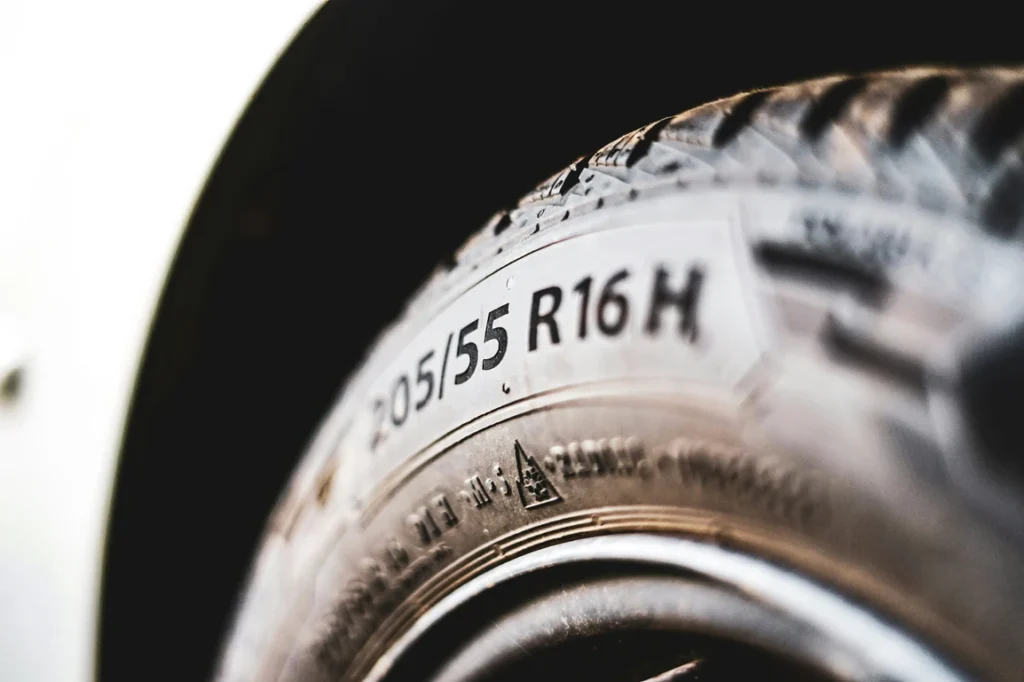
Keeping your Toyota RAV4’s tire pressure at the correct level is key to better driving, better fuel economy, and longer tire life. Luckily, it only takes a few minutes to check and you don’t have to be a car expert to do it.
Here’s how you can check your tire pressure step by step
- Turn on your vehicle
Start your RAV4 or switch it to ON mode (without starting the engine) so the dashboard systems activate.
- Locate the tire pressure display
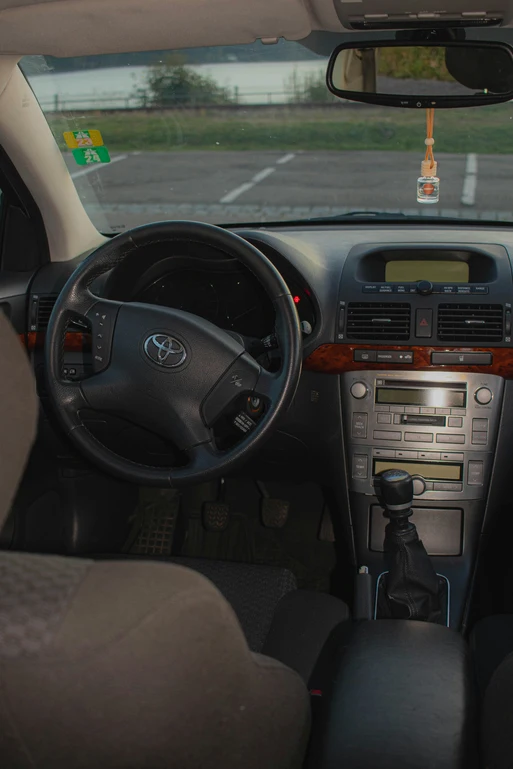
On most Toyota RAV4 models, you’ll find it in the multi information display (MID) between your speedometer and tachometer. Use the steering wheel buttons to navigate to the Tire Pressure or Vehicle Info screen.
- Read the tire pressure values
The screen will show the PSI (pounds per square inch) for each tire. Compare these numbers with the recommended tire pressure listed on the driver’s door jamb sticker or in your owner’s manual.
- Use a manual gauge if needed
If your display isn’t showing or you want to double check accuracy, use a handheld tire pressure gauge.
- Adjust the air pressure
Inflate or deflate the tires as needed to match the recommended PSI (usually between 33–36 PSI for most RAV4 models).
- Recheck the display
After adjusting, turn the car off and back on to confirm the readings have updated correctly.
What is the recommended Toyota RAV4 tire pressure?
The recommended tire pressure for the Toyota RAV4 depends on the model year and tire size, but most versions require 33 to 36 PSI (pounds per square inch) when the tires are cold.
Here’s a quick breakdown
2013 to 2018 Toyota RAV4
- Front Tires: 33 PSI
- Rear Tires: 33 PSI
2019 to 2025 Toyota RAV4
- Front Tires: 35 PSI
- Rear Tires: 35 PSI
RAV4 Hybrid & Adventure / TRD Models
- Front Tires: 35–36 PSI
- Rear Tires: 35–36 PSI
All About Your Toyota RAV4 Tire Pressure!
Your Toyota RAV4 tire pressure plays a big role in safety, comfort, and fuel efficiency. When your tires are properly inflated, your SUV grips the road better, stops faster, and saves gas. But low or high pressure can cause uneven wear or even blowouts. That’s why it’s so important to keep an eye on the tire pressure display, as it alerts you when the tires need attention, helping you fix small problems before they become bigger ones.
Recommended Toyota RAV4 Tire Sizes by Model Year
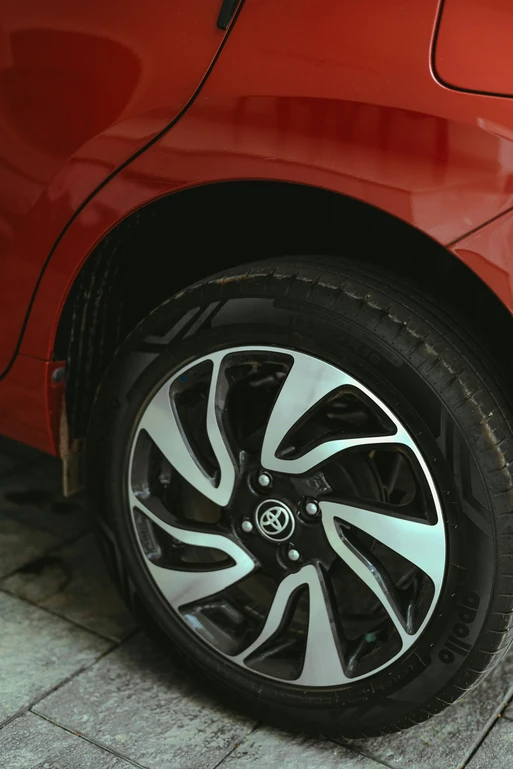
The Toyota RAV4 tire size can vary slightly depending on the trim level and model year, but here’s a quick guide to help you find the perfect match for your SUV.
2013 to 2018 Toyota RAV4
- LE / XLE: 225/65R17
- Limited: 235/55R18
- Adventure: 235/55R18
2019 to 2024 Toyota RAV4
- LE / XLE / XLE Premium: 225/65R17 or 225/60R18
- Adventure / TRD Off Road: 235/55R19
- Limited: 235/55R19
- Hybrid models: 225/65R17 or 225/60R18
Older Models (2006 to 2012)
- Base / Sport: 215/70R16
- Limited: 235/60R17
Shop for Toyota RAV4 Tires and More at Toyota of Orlando
Are you looking for the best tires for your Toyota RAV4? Visit Toyota of Orlando for genuine, high quality options designed specifically for your SUV. From all season tires to performance and off road options, their expert team can help you find the ideal match for your driving needs and budget. Plus, Toyota of Orlando offers professional installation, tire balancing, and rotation services, ensuring your RAV4 stays safe and smooth on every road.
Tire Rotation
Tire rotation is one of the easiest and most effective ways to extend the life of your Toyota RAV4 tires. It involves moving each tire to a different position front to back, and side to side to ensure even wear. Toyota recommends rotating your RAV4’s tires every 5,000 to 7,500 miles, or during every oil change. Regular rotation helps maintain balanced handling, better traction, and improved fuel efficiency.
Tire Pressure Warning System (If Equipped)
The tire pressure warning system in your Toyota RAV4 helps you stay safe by monitoring the air pressure in each tire. If the system detects that one or more tires are underinflated, a warning light will appear on your dashboard, usually in the shape of a tire with an exclamation mark. When this light turns on, it means one or more tires may need air. Check your tire pressure as soon as possible and inflate to the recommended PSI (found on the driver’s door sticker).
Warning Performance of the Tire Pressure Warning System (If Equipped)
The Tire Pressure Warning System in your Toyota RAV4 is designed to alert you when a tire’s air pressure drops below the recommended level. However, its performance can vary depending on driving conditions, temperature, and tire type. Cold weather can temporarily lower tire pressure, triggering the warning light even if your tires are fine. Likewise, replacing your tires or wheels with non Toyota approved parts may affect how accurately the system detects pressure changes.
Initializing the Tire Pressure Warning System (If Equipped)
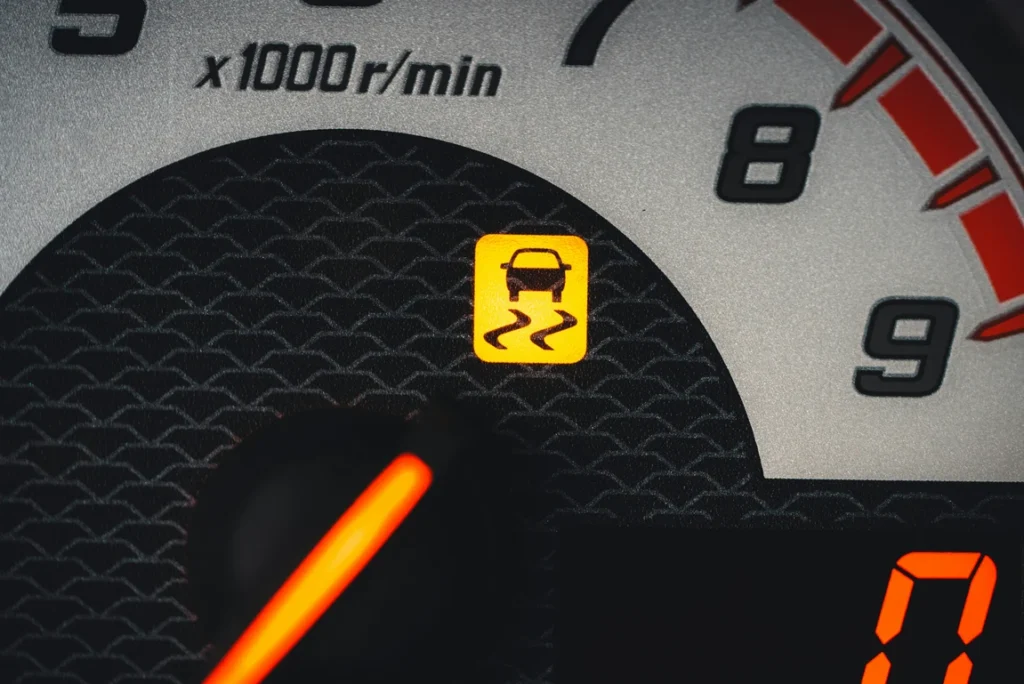
After adjusting your tire pressure, rotating tires, or installing new ones, you need to initialize (reset) the Tire Pressure Monitoring System (TPMS) in your Toyota RAV4. This process allows the system to recognize the current tire pressure as a new baseline.
Here’s how to do it.
- Park your vehicle and turn the ignition to the ON position (don’t start the engine).
- Locate the TPMS reset button usually found under the dashboard, near the steering column, or inside the glove box.
- Press and hold the button until the tire pressure warning light blinks three times, then release it.
- Wait a few minutes the system will reset as you drive.
Installing Tire Pressure Warning Valves and Transmitters
Each tire on your Toyota RAV4 is equipped with a tire pressure warning valve and transmitter that sends real time air pressure data to your vehicle’s monitoring system. When installing new tires or wheels, it’s important to properly reinstall or replace these sensors to keep the Tire Pressure Warning System (TPMS) working correctly.
If a sensor is damaged or missing, the system won’t detect tire pressure accurately, and the warning light may stay on. It’s best to have a certified Toyota technician handle the installation to ensure each valve and transmitter is correctly programmed and sealed to prevent air leaks.
Registering ID Codes (Vehicles with Tire Pressure Warning System)
Each tire pressure warning valve and transmitter in your Toyota RAV4 has a unique ID code that communicates with the vehicle’s Tire Pressure Warning System (TPMS). When you replace a sensor, wheel, or tire, these new ID codes must be registered so the system can correctly monitor each tire’s pressure. This process ensures the TPMS recognizes all four sensors and accurately reports real time tire pressure.
To register new ID codes
- Visit your Toyota dealership or qualified technician they’ll use a special diagnostic tool to input and sync the new sensor IDs with your RAV4’s computer.
- After registration, the system will automatically monitor the new sensors and display correct pressure readings.
Conclusion
Your Toyota RAV4 tire pressure display is more than just a dashboard light it’s a smart safety feature designed to protect your tires and fuel economy. Understanding what it means and knowing how to respond can save you time, money, and stress on the road. By checking your tire pressure regularly, keeping it within the recommended PSI, and knowing how to reset the warning system when needed, you’ll keep your RAV4 running smoothly and safely in every season.