Smart Key System Malfunction What It Means and How to Fix It Fast
Have you ever seen a Smart Key System Malfunction Causes & Easy Fixes warning pop up on your dashboard? It can be stressful especially when your car refuses to start or unlock properly. This message usually means there’s an issue with your vehicle’s key fob, battery, or internal sensor system. Don’t worry, though most of the time, it’s a minor problem that can be fixed easily without visiting the dealership.
In this guide, we’ll explain what the Smart Key System Malfunction warning means, the most common causes behind it, and the quick fixes you can try before calling a professional.
What is a Smart Key?
A Smart Key is an advanced, wireless key system that allows you to unlock, lock, and start your vehicle without physically inserting a key. It uses radio frequency identification (RFID) technology to communicate with your car’s sensors. When the Smart Key is within range usually in your pocket, purse, or hand the vehicle automatically recognizes it. With a Smart Key, you can open the doors just by touching the handle and start the engine by pressing the START/STOP button while pressing the brake pedal.
The system adds convenience and security by preventing unauthorized access and reducing the risk of losing traditional keys. In short, a Smart Key makes driving easier and safer by letting your car detect you automatically no need to take the key out of your pocket or bag.
Replace your missing Smart Key at Toyota of Orlando
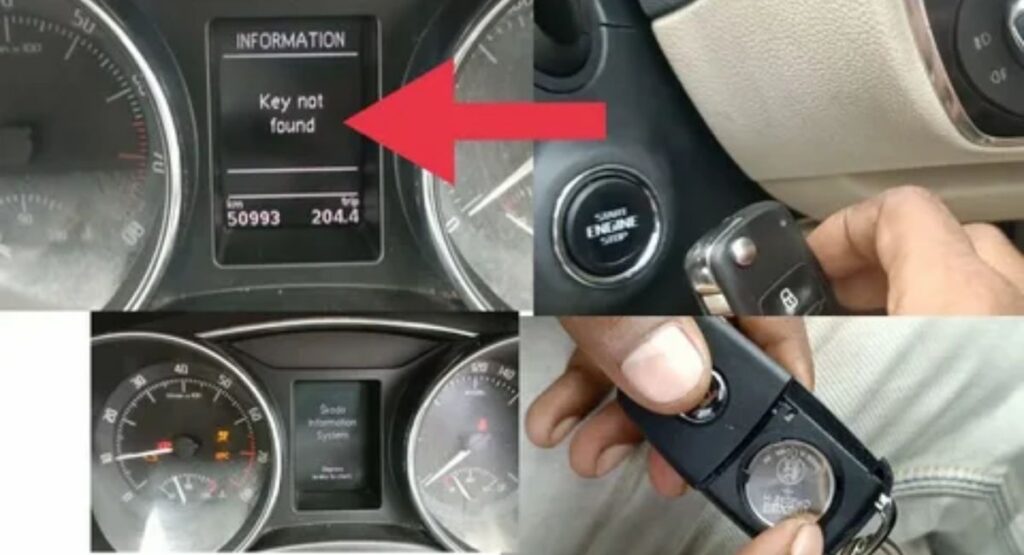
If you’ve lost your Smart Key, Toyota of Orlando can help you get a reliable replacement quickly and securely. Losing a Smart Key can be stressful since it controls both the door locks and the push button start system, but Toyota’s certified technicians can program a new Smart Key that works seamlessly with your vehicle’s security system. When you visit Toyota of Orlando, bring your vehicle identification number (VIN) and proof of ownership this helps ensure the new key is properly registered to your car.
The team will cut and program a replacement Smart Key so you can get back on the road safely. It’s also a good idea to order a spare Smart Key to avoid future inconvenience. Toyota of Orlando offers fast service and genuine OEM parts, ensuring your new Smart Key performs just like the original.
Smart Key System Malfunction
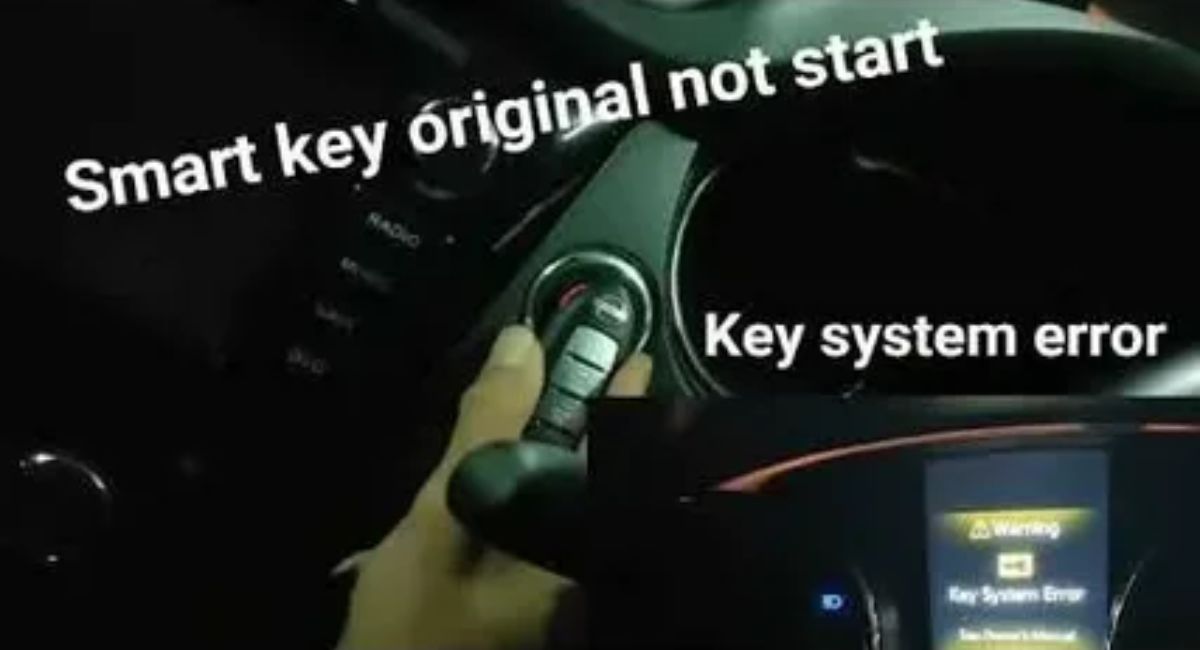
A Smart Key System Malfunction means your vehicle’s smart entry and start system isn’t communicating correctly with the key fob or one of its internal sensors. This warning usually appears on the dashboard when the system can’t detect the key fob signal, the fob battery is low, or there’s an electrical or sensor issue in the vehicle. Common causes include a dead key fob battery, signal interference from other devices, damaged key fob, or issues with the car’s receiver or wiring.
To fix it, start by replacing the key fob battery and ensuring the fob is close to the start button when you try to start the engine. Remove any nearby electronic devices or metal objects that might block the signal. If the message still appears, you may need to reset the system or visit a Toyota dealership to have the sensors and receiver inspected. In short, this warning doesn’t always mean something major is broken most of the time, it’s a simple communication or battery issue that can be fixed quickly.
What to do if your Smart Key stops working?
If your Smart Key stops working, don’t worry it’s usually a simple issue that can be fixed quickly. The most common cause is a weak or dead key fob battery, which prevents the fob from sending a signal to your vehicle. Start by replacing the key fob battery with a new one (usually a CR2032 or similar coin cell). If that doesn’t help, try holding the key fob closer to the START/STOP button or directly against it while pressing this can help if the battery is weak but not fully dead.
Also, make sure you’re pressing the brake pedal firmly when starting the car. If the key still doesn’t work, check for signal interference from nearby devices like smartphones, wireless routers, or other key fobs. You can also use the mechanical key hidden inside your fob to unlock the door manually. If none of these steps solve the issue, it may indicate a problem with the vehicle’s receiver, smart key module, or internal wiring. In that case, contact a certified Toyota service center to diagnose and repair the system properly.
Troubleshooting Smart Key Malfunction on a 2019 Toyota RAV4 Expert Solutions Available
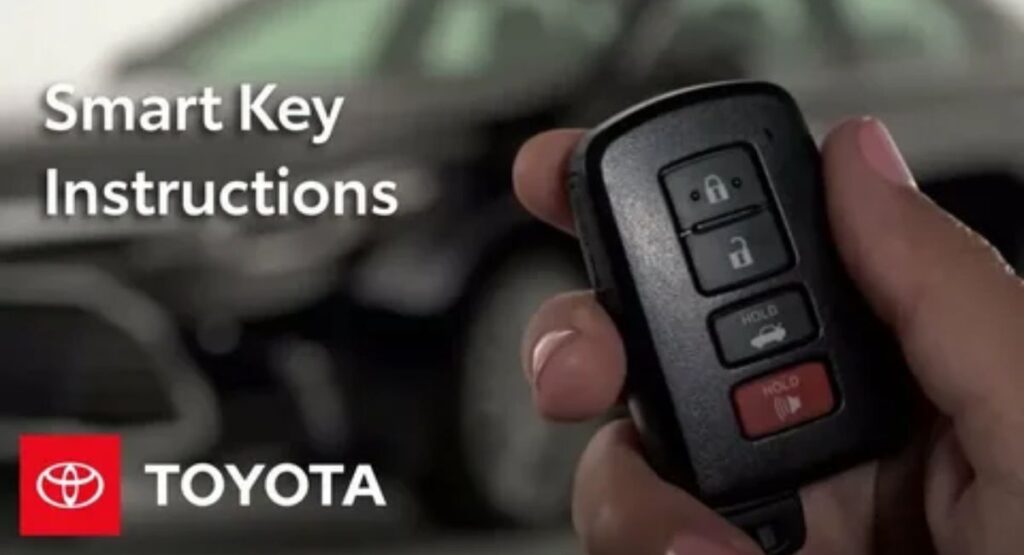
If your 2019 Toyota RAV4 shows a Smart Key System Malfunction warning, it usually means there’s a communication issue between your key fob and the vehicle’s receiver. The most common reasons include a weak or dead key fob battery, signal interference from nearby electronic devices, or a malfunctioning start button or smart key sensor. To fix this, start by replacing the key fob battery and checking for any visible damage. If the warning persists, try starting the car with the key fob close to the start button this can help if the signal is weak.
Also, ensure there are no metallic objects or other key fobs nearby that could disrupt the signal. If these steps don’t work, it may be necessary to reset the system or have the vehicle inspected by a Toyota technician, as a damaged receiver or internal wiring issue could be the cause.
My vehicle has a Smart Key and the engine won’t start when I press the START button. Why?
If your vehicle has a Smart Key system and the engine won’t start when you press the START button, it’s usually because the car isn’t detecting the key fob properly. This can happen for a few common reasons the key fob battery is weak or dead, the fob is too far from the vehicle, or there’s interference from other electronic devices. Try holding the key fob closer to the START button and pressing it again.
If the engine still doesn’t start, replace the key fob battery and make sure you’re pressing the brake pedal firmly while pushing the START button. In some cases, the issue can also be caused by a faulty brake switch, a discharged car battery, or a malfunction in the vehicle’s Smart Key sensor system. If none of these steps work, it’s best to have the system checked by a certified Toyota technician to diagnose the exact problem.
Conclusion
In conclusion, a Smart Key System Malfunction is usually a minor issue that can be resolved with simple troubleshooting, such as replacing the key fob battery, checking for signal interference, or holding the fob closer to the START button. However, if the problem persists, it may indicate a more serious issue with the vehicle’s sensors or receiver, which requires professional attention. Visiting a certified service center, like Toyota of Orlando, ensures your Smart Key is replaced or repaired safely and correctly.
Taking proactive steps, like keeping a spare key and maintaining the fob battery, can prevent future malfunctions and keep your vehicle starting smoothly every time.
What does Smart Key System Malfunction mean?
It means your vehicle isn’t detecting the key fob properly, which can prevent the doors from unlocking or the engine from starting. Common causes include a weak key fob battery, signal interference, or a faulty sensor.
Why won’t my car start with the Smart Key?
Your car may not start if the key fob battery is dead, the fob is out of range, or there’s interference from nearby electronic devices. Press the brake firmly and hold the key fob near the START button to see if it starts.
How can I fix a Smart Key System Malfunction?
Start by replacing the key fob battery, removing nearby electronic interference, and trying to start the car with the key close to the button. If the problem persists, a system reset or inspection by a certified technician may be required.
Can I replace a lost Smart Key myself?
No, replacing a Smart Key usually requires programming by a certified dealership. For example, Toyota of Orlando can cut and program a new key to work with your vehicle’s security system.
How do I prevent Smart Key malfunctions in the future?
Keep the key fob battery charged, avoid exposing the fob to water or extreme heat, and store it away from electronic devices that may cause interference. Regular maintenance and prompt attention to dashboard warnings also help.