Complete 2025 Toyota RAV4 Towing Capacity Guide for SUV Owners
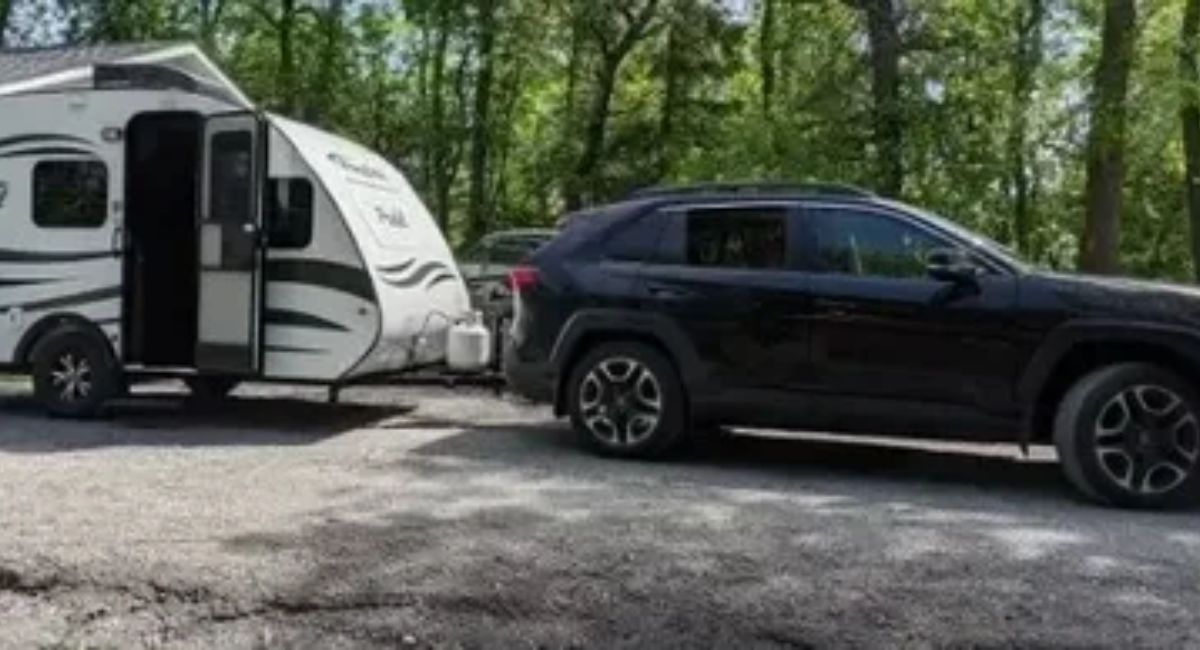
Thinking about towing a trailer, camper, or small boat with your Toyota RAV4? You’re in the right place! The 2025 Toyota RAV4 Towing Capacity Guide breaks down everything you need to know before you hit the road from how much weight each trim can handle to the key features that make towing safer and easier. Whether you drive a gas, hybrid, or RAV4 Prime model, this guide helps you understand your SUV’s real towing power, the best towing tips, and how to maximize performance without risking damage.
Toyota RAV4 SUV Towing Capacity Explained
Planning to haul a trailer, camper, or even a pair of jet skis with your RAV4? Understanding your Toyota RAV4 SUV’s towing capacity is key to staying safe and getting the best performance on the road. This guide breaks down how much weight each RAV4 model including gas, hybrid, and Prime can confidently tow. You’ll also learn about towing features, hitch options, and safety tips to make every trip smoother and stress free. Whether you’re an adventure lover or just need extra hauling power, this article will help you tow smarter and safer.
Experience the RAV4 SUV’s Performance
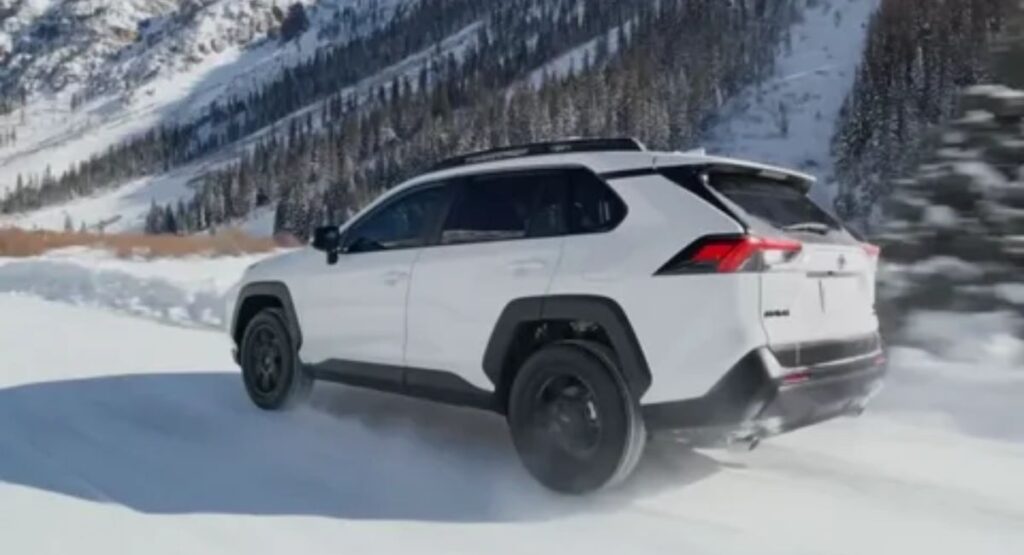
Get ready to feel the power, precision, and comfort that make the Toyota RAV4 SUV one of America’s favorite crossovers. Designed for both city streets and off road adventures, the RAV4 delivers the perfect balance of performance, fuel efficiency, and reliability. From its responsive handling to its available all wheel drive and hybrid options, every drive feels confident and exciting. Whether you’re commuting daily or exploring new destinations, the RAV4 offers the performance you can count on every mile of the way.
Toyota RAV4 Engine Specifications
Here’s a detailed summary of the key engine and powertrain specs for the Toyota RAV4 especially useful if you’re considering a purchase or just comparing across trims.
Gasoline Engine (Standard Internal Combustion)
- The U.S. 2025 RAV4 LE FWD uses a 2.5 litre inline‑4 engine (152 cu in / 2487 cc) with port and direct injection.
- Output: ≈ 203 hp @ 6,600 rpm and ≈ 184 lb‑ft (≈ 249 Nm) @ 5,000 rpm.
- Transmission: 8‑speed automatic (in U.S. model) when paired with the 2.5L engine.
- Towing capacity: Standard models can tow ~1,500 lb select trims (Adventure, TRD Off Road) up to ~3,500 lb
Hybrid Powertrain (Global / Some Markets)
- Many global RAV4 models (including hybrid versions) use engine code A25A‑FXS, a 2.5 litre 4‑cylinder Atkinson cycle engine.
- For example: Combined output of ~219 hp in one specification.
- Example European spec: 176 bhp (131 kW) from the ICE, 221 Nm torque @ 3,600 to 5,200 rpm for FWD variant.
Global Variation Highlights
- In some global markets, spec sheet lists output as 203 hp / ~250 Nm torque for 2.5L engine.
- Note: Hybrid versions will list combined power (engine + electric motor) differently always check exact market/trims.
Key Takeaways for U.S. Buyers
- If you’re buying a U.S. spec RAV4 with the standard gas engine: expect ~203 hp and ~184 lb‑ft torque.
- Hybrid trims or non U.S. specifications may offer higher combined output so always check for hybrid or plug in hybrid labels.
- The 2.5L engine is common and well documented in the current generation.
- As with any vehicle, trims and options (AWD vs FWD, hybrid vs gas) will change specs somewhat.
RAV4 Towing Capacity by Trim
Here’s a breakdown of the towing capacities for the Toyota RAV4 (2025 U.S. market) by trim / powertrain.
Gasoline (Standard) Versions
- LE: Up to 1,500 lbs
- XLE: Up to 1,500 lbs
- XLE Premium: Up to 1,500 lbs
- Limited: Up to 1,500 lbs
Hybrid Versions
- Hybrid trims (e.g., Hybrid LE, Hybrid XLE): Up to 1,750 lbs when properly equipped.
Plug In Hybrid (RAV4 Prime)
- Plug in Hybrid versions (e.g., SE / XSE) Up to 2,500 lbs.
Lease or Buy a Toyota RAV4 at DARCARS Toyota of Frederick
Here’s a breakdown of the advantages, considerations, and dealership specific insights to help you decide whether leasing or buying a Toyota RAV4 (or another Toyota) at this dealership makes more sense for you.
What the Dealership Offers
- The dealership provides both finance (buying) and lease options.
- They offer an online finance/pre approval application, helping simplify the process.
- They also run a Lease Return Program for those whose lease term is ending offering options to start a new lease, return the vehicle, or convert to ownership.
- Located at 5293 Buckeystown Pike, Frederick, MD 21704.
Leasing When It Makes Sense
Advantages
- Lower monthly payments compared to buying (because you’re paying mostly for depreciation over the lease term).
- Ability to upgrade to a newer model every few years ideal if you like having the latest tech/features.
- Generally less long term responsibility (you don’t own the car, so you won’t deal with trying to sell it later).
Considerations / Limitations
- Mileage limits (e.g., if you drive a lot, you may face excess mileage fees).
- Customization is restricted (you typically need to return the vehicle in good condition).
- At end of lease, you don’t own the vehicle unless you pay to purchase it.
- Over time, if you keep leasing, you never build equity.
When leasing might be for you
- If your annual mileage is moderate and predictable.
- If you like changing cars every 2 to 4 years.
- If you prefer lower payments and minimal long term commitment.
Buying When It Makes More Sense
Advantages
- You own the vehicle outright after the financing term ends.
- No mileage limits or lease return charges.
- You can keep the car as long as you want, potentially lowering your cost per year.
- You can customize or modify the car.
- Potentially better value if you drive many miles or plan to keep long term.
Considerations
- Higher monthly payments (because you’re financing full value minus down payment).
- You’re responsible for selling it or trading it in when you’re done.
- Depreciation risk the value falls over time, and you bear that.
- Maintenance costs may increase once warranty expires (though ToyotaCare covers new vehicles for 2 years/25,000 miles at this dealer)
Tips for Towing With a Toyota RAV4
Here’s a comprehensive guide with practical tips for towing safely and efficiently with a Toyota RAV4.
Know Your Vehicle’s Towing Limits
- Check the owner’s manual or door jamb sticker for exact towing capacity.
- Gasoline RAV4 (most trims): ~1,500 lbs.
- Hybrid RAV4: ~1,750 lbs.
- RAV4 Prime (Plug in Hybrid): ~2,500 lbs.
- Never exceed the recommended tow rating it can damage your transmission, brakes, or suspension.
Choose the Right Hitch
- Use a Toyota approved towing hitch rated for your vehicle’s capacity.
- Make sure it’s properly installed, ideally at a certified dealership or professional installer.
- Consider weight distribution or sway control accessories if towing near your RAV4’s max limit.
Check Your Load and Trailer
- Trailer weight + cargo = total towing load keep it below your RAV4’s rating.
- Ensure cargo is evenly distributed with 60% of the weight forward of the trailer axle.
- Use safety chains and check lights/brakes before every trip.
Adjust Driving Style
- Increase following distance stopping takes longer with a trailer.
- Avoid sudden acceleration or hard braking.
- Drive at moderate speeds RAV4 isn’t designed for high speed towing.
- Be cautious on steep hills or curves engine braking can help control speed.
Monitor Vehicle Health
- Keep an eye on engine temperature and transmission fluid if towing near maximum capacity.
- Consider installing a transmission cooler for heavy or frequent towing.
- Check tire pressure on both RAV4 and trailer before every trip.
Brake and Safety Enhancements
- Use a trailer brake controller if your trailer has electric brakes this helps reduce stress on your RAV4’s brakes.
- Make sure all mirrors are properly adjusted to see the trailer.
- Ensure lights and turn signals are connected and visible.
Practice Before the Trip
- Do a short test drive with the trailer to get used to handling, braking, and turning radius.
- Practice reversing with the trailer, as it behaves differently than your RAV4 alone.
Regular Maintenance
- Towing increases wear keep up with oil changes, brake inspections, and tire rotations.
- Inspect hitch, coupler, and trailer lights regularly for signs of wear or damage.
Pro Tip
Even if your RAV4 is rated for 3,500 lbs with a tow package, towing near the max regularly can shorten the life of components. Stay well below the limit for daily safety and longevity.
Stop by McGee Toyota of Claremont Today
Visit McGee Toyota of Claremont today to explore their wide selection of new and pre owned Toyota vehicles, including the versatile RAV4. Whether you’re looking to buy, lease, or test drive, their friendly team is ready to help you find the perfect vehicle to fit your needs. Don’t miss out on special offers and expert guidance stop by and experience quality service firsthand!
Toyota RAV4 Towing Capacity (2024 to 2025)
Here’s a detailed breakdown of the towing capacity for the Toyota RAV4 in the U.S. for model years 2024–2025, including the variations by powertrain. Always check the owner’s manual or door jamb label on your specific vehicle, since actual capacity can depend on options, packages and drivetrain.
Towing Capacity by Model Year & Powertrain
2024 Model Year
- Standard gas 2.5 litre 4‑cylinder (most trims) ~ 1,500 lbs.
- Certain special trims (e.g., Adventure, TRD Off Road) with the proper equipment: up to ~ 3,500 lbs.
- Hybrid versions (2.5L + electric motor): ~ 1,750 lbs.
- Plug in Hybrid (Prime) version: ~ 2,500 lbs.
2025 Model Year
- Standard gas 2.5 litre 4‑cylinder: ~ 1,500 lbs.
- Hybrid version: ~ 1,750 lbs.
- Plug in Hybrid version: ~ 2,500 lbs.
Key Takeaways & Important Notes
- If you see 3,500 lbs it’s only valid for 2024 (and possibly earlier) on specific trims with the proper tow package/equipment (e.g., Adventure, TRD Off Road).
- For 2025 the standard gas version is rated at ~1,500 lbs unless you have a hybrid or plug in variant.
- The Hybrid (non plug in) stays at ~1,750 lbs both years.
- The Plug in Hybrid hits ~2,500 lbs.
- These numbers are the maximum ratings actual tow ability can be affected by your chosen options, drivetrain (FWD vs AWD), hitch setup, trailer brakes, load distribution, etc.
- Always make sure your trailer weight + cargo + tongue weight stay within your RAV4’s rated capacity.
- For safe towing ensure trailer brakes (if required by law or by trailer weight), proper hitch, wiring, mirrors, and don’t forget to adjust your driving style (longer stopping distance, gentler turns) when towing anything.
Test Drive A 2025 Toyota RAV4 At Toyota of Newport
Experience the 2025 Toyota RAV4 firsthand by scheduling a test drive at Toyota of Newport. Explore its advanced features, smooth handling, and versatile performance on the road. Whether you’re considering buying or leasing, their expert team will guide you through every detail to help you find the perfect RAV4 for your lifestyle. Don’t just imagine it drive it today.
Toyota RAV4 Towing Capacity in Buford
Here’s the towing capacity for the Toyota RAV4 (2025 model year, U.S. market) the same applies in Buford, GA (or wherever you are in the U.S.) as long as the vehicle is properly equipped.
- Standard gas engine versions: up to 1,500 lbs.
- Hybrid versions: up to 1,750 lbs.
- Plug in Hybrid versions: up to 2,500 lbs.
If you tell me the year and engine/trims of your specific RAV4 in Buford, I can check if there are any region specific equipment or package requirements that could affect the towing capacity.
Conclusion
Understanding the 2025 Toyota RAV4’s towing capacity is essential for safe and efficient towing. Whether you drive the standard gas model, the hybrid, or the plug in RAV4 Prime, knowing your vehicle’s limits ensures you protect both your SUV and trailer while maximizing performance. Standard trims handle up to 1,500 lbs, hybrids reach 1,750 lbs, and the Prime can tow up to 2,500 lbs. Always consider your specific trim, drivetrain, and towing equipment before hitting the road.
With the right setup and safe towing practices, your RAV4 can confidently support light to moderate towing needs, making it a versatile choice for adventures, weekend trips, and daily driving.