Toyota RAV4 Hybrid Battery Replacement Costs & Key Info
The Toyota RAV4 Hybrid is known for its strong fuel economy and long lasting performance, but like any hybrid vehicle, its battery will eventually need attention. Most RAV4 hybrid batteries last 8 to10 years, but when signs of failure appear like reduced MPG, warning lights, or weak acceleration it’s important to know what to do next. Understanding the cost, symptoms, lifespan, and replacement options helps you make smart decisions and avoid unnecessary expenses. This guide covers everything you need to know about Toyota RAV4 Hybrid battery replacement guide so you stay prepared and keep your SUV running smoothly.
What is the RAV4 Hybrid Battery Replacement Cost?
New OEM Battery
- Cost $3,000 to $8,000 for a full new nickel metal hydride pack.
- This includes the part + installation (labor adds but varies).
Refurbished / Remanufactured Battery
- Cost $1,500 to $3,500 for a refurbished pack.
- With installation, the total is more like $2,000 to $4,500 depending on labor.
Other Costs
- Labor Usually adds $500 to $1,000 depending on the shop.
- Diagnostic fees, disposal of the old battery, and possibly calibration may add extra.
- Example from a battery‐specialist a reconditioned battery pack + 1year warranty might cost $2,199 + $225 install.
RAV4 Hybrid Battery Warranty and Coverage
The Toyota RAV4 Hybrid battery comes with strong warranty protection, giving owners long term peace of mind. In most U.S. states, Toyota provides 8 years or 100,000 miles of hybrid battery warranty, but in states following CARB rules, the coverage increases to 10 years or 150,000 miles. This warranty covers defects, performance issues, and premature battery failure. It does not cover damage caused by accidents, water, or improper modifications.
Covered under warranty
- Battery defects
- Unexpected failure
- Performance degradation beyond Toyota’s limits
How Long Does a RAV4 Hybrid Battery Last?
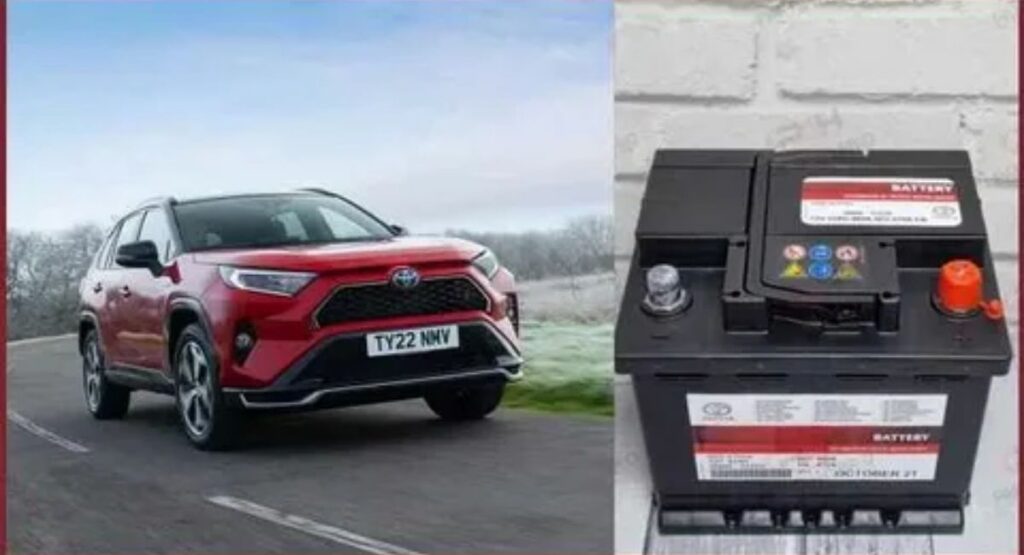
A Toyota RAV4 Hybrid battery typically lasts 8 to 10 years or 150,000 to 200,000 miles, depending on driving habits, climate, and maintenance. Many owners even report batteries lasting well beyond 200,000 miles with normal use. Toyota’s strong warranty coverage also ensures the battery stays protected for most of its lifespan. In general, with proper care and regular servicing, a RAV4 Hybrid battery is built to deliver long, reliable performance without needing early replacement.
Visit Santa Cruz Toyota For Your Battery Service
If your RAV4 Hybrid is showing signs of a weak or aging battery, Santa Cruz Toyota is a reliable place to get professional help. Their certified technicians use genuine Toyota parts, offer accurate diagnostics, and ensure your hybrid system performs at its best. Whether you need a battery health check, maintenance, or a full replacement, Santa Cruz Toyota provides fast, trusted service backed by Toyota standards.
How Long Does a Toyota RAV4 Hybrid Battery Last?
A Toyota RAV4 Hybrid battery generally lasts 8–10 years or around 150,000 to 200,000 miles, depending on driving habits, temperature, and maintenance. Many RAV4 owners report even longer life when the vehicle is driven regularly and serviced on time. Thanks to Toyota’s durable hybrid technology, most batteries continue performing well throughout the warranty period and often far beyond it.
What Is the Battery Life for the RAV4 Hybrid?
The battery life of a Toyota RAV4 Hybrid is typically 8 to 10 years or 150,000 to 200,000 miles, depending on driving conditions, climate, and maintenance. In many cases, well maintained batteries last even longer, providing reliable hybrid performance throughout the life of the vehicle. Toyota’s hybrid system is designed to manage battery usage efficiently, which helps maximize longevity and reduce the likelihood of early replacement.
2019 to 2023 Toyota Rav4 Hybrid Battery
The 2019 to 2023 Toyota RAV4 Hybrid uses a high voltage battery, usually Nickel Metal Hydride (NiMH), though some trims may have lithium ion. These batteries are designed to last 8 to10 years or 150,000 to 200,000 miles, and Toyota provides a 10 year/150,000 mile warranty in most states. With proper maintenance, many owners report even longer battery life. Common issues like Hybrid System Malfunction warnings can occur but aren’t always battery related. Replacement costs vary a new OEM battery can run $3,000–$8,000, while a refurbished pack is typically $2,000 to $4,500, including labor. Regular maintenance and keeping cooling vents clean can help maximize battery lifespan and performance.
Conclusion
The Toyota RAV4 Hybrid battery is built for long term reliability, typically lasting 8–10 years or 150,000–200,000 miles. With strong warranty coverage and proper maintenance, most owners can expect years of worry free driving. Replacement, while potentially costly, is manageable especially with refurbished options. By staying attentive to battery health, signs of wear, and professional service, you can ensure your RAV4 Hybrid continues to deliver optimal performance and fuel efficiency for many miles to come.
How much does it cost to replace the RAV4 Hybrid battery?
Replacing the hybrid battery can cost $3,000 to $8,000 for a brand‑new OEM pack, while a refurbished (or remanufactured) one typically ranges from $1,500 to $3,500 for just the battery.
How long will the hybrid battery last?
A RAV4 Hybrid battery generally lasts around 8 to 10 years, or about 150,000 to 200,000 miles, depending on usage, driving style, and climate.
What warranty does Toyota provide for the hybrid battery?
For many RAV4 Hybrid models, Toyota offers a 10 year / 150,000 mile warranty on the hybrid battery.
What are the common signs that the hybrid battery is failing or degrading?
Warning signs include lower fuel efficiency, slow or sluggish acceleration, frequent starts of the gasoline engine, and dashboard warnings like Check Hybrid System.
Can I extend the life of my RAV4 Hybrid battery?
Yes you can help extend battery life by keeping the battery cooling system clean, avoiding overly aggressive driving, driving regularly to keep the battery active, and minimizing deep discharge cycles.