2025 Toyota RAV4 Hybrid Tax Credit Full Eligibility & Savings Guide
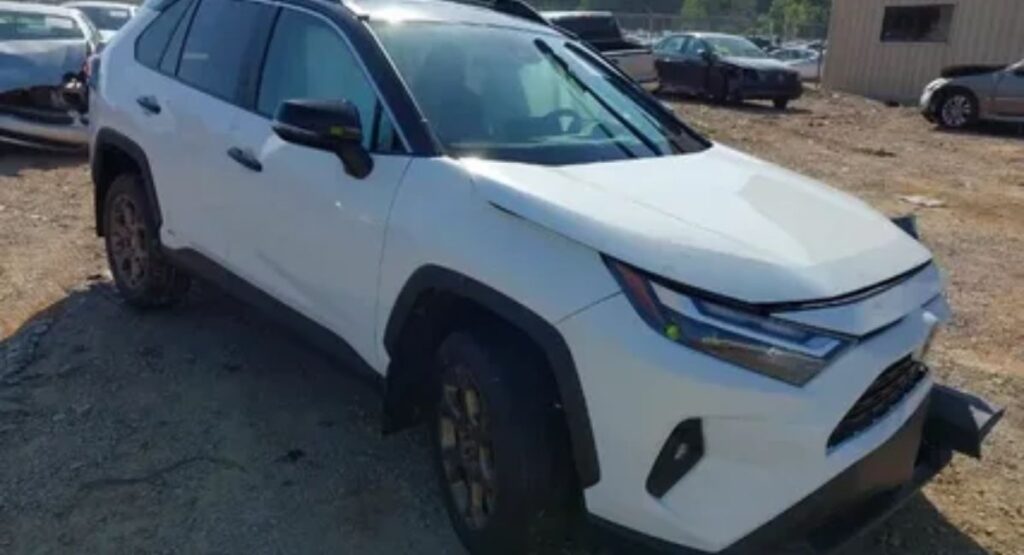
Toyota RAV4 Hybrid 2025 remains one of America’s most popular fuel efficient SUVs, but many drivers still wonder whether it qualifies for a federal or state tax credit. With changing U.S. EV and hybrid tax rules, it’s important to know exactly what savings you can expect before buying. In this guide, we break down the current tax credit eligibility, possible state incentives, and how you can maximize your savings when choosing a RAV4 Hybrid in 2025.
Does the Toyota RAV4 Hybrid 2025 Qualify for Tax Credit?
The Toyota RAV4 Hybrid does not qualify for the U.S. federal EV tax credit because it is not a plug in vehicle and cannot be charged from an external source. Current IRS rules under the Inflation Reduction Act only allow tax credits for electric vehicles and plug in hybrids that meet specific battery size, sourcing, and North American assembly requirements. Since the RAV4 Hybrid uses a self charging hybrid system and does not meet these plug in or battery criteria, it is not eligible for the federal credit.
Only the RAV4 Prime (plug in hybrid) has previously qualified, but even its eligibility now depends on updated sourcing and assembly rules.
Federal Clean Vehicle Tax Credit Explained
The Federal Clean Vehicle Tax Credit is a U.S. government incentive designed to make electric and plug in hybrid vehicles more affordable. Under the current rules in the Inflation Reduction Act, qualifying vehicles can receive up to $7,500 in tax credits, depending on battery size, where the battery materials come from, and whether the vehicle is assembled in North America. Buyers must also meet income limits, and the vehicle’s price must fall under specific caps.
Importantly, only fully electric and plug in hybrid vehicles qualify standard hybrids do not. The goal of this tax credit is to encourage cleaner transportation, reduce emissions, and make EV ownership more accessible for American drivers.
RAV4 Hybrid 2025 Eligibility for Federal Tax Incentives
- The Toyota RAV4 Hybrid 2025 is not eligible for the U.S. federal Clean Vehicle Tax Credit because it is a traditional hybrid, not a plug in hybrid.
- Under the Inflation Reduction Act (IRA), the tax credit is only available for vehicles that can be charged from an external source standard hybrids (like the RAV4 Hybrid 2025) don’t meet that requirement.
- Moreover, since the credit now depends heavily on where the vehicle is assembled and the sourcing of battery components, even many plug in hybrids face stricter rules.
- In short, unless you’re talking about the RAV4 Prime (plug in hybrid) or a fully electric model, you shouldn’t expect to receive that federal tax credit for a regular RAV4 Hybrid.
RAV4 Prime and Plug in Hybrid Considerations
- The RAV4 Prime (Toyota’s plug in hybrid version) once qualified for a federal tax credit of up to $7,500, but under the new rules introduced by the Inflation Reduction Act (IRA), it no longer qualifies for the full credit.
- The reason the IRA now requires that a vehicle’s final assembly must be in North America in order to be eligible, and the RAV4 Prime is currently assembled in Japan, which disqualifies it.
Steps to Verify Tax Credit Eligibility
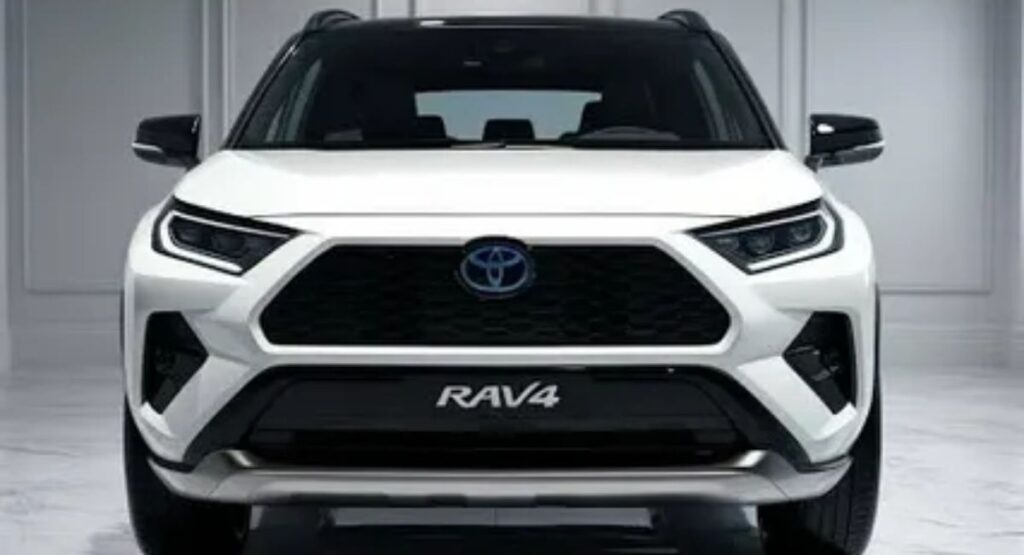
Verifying a vehicle’s tax credit eligibility is easy if you follow a few key steps. First, check whether the vehicle is fully electric or a plug in hybrid, because standard hybrids do not qualify for the federal Clean Vehicle Tax Credit. Next, visit the official IRS Clean Vehicle List to confirm that the exact model, year, and trim appear on the approved list. You should also verify that the vehicle is assembled in North America, as final assembly location is a core requirement under the Inflation Reduction Act.
After that, review the vehicle’s battery materials and component sourcing details, which determine whether it qualifies for the full or partial credit. Finally, confirm that your income and the vehicle’s price fall within the IRS limits, since personal eligibility matters just as much as the vehicle’s specifications.
Benefits of Choosing the RAV4 Hybrid 2025 Beyond Tax Credits
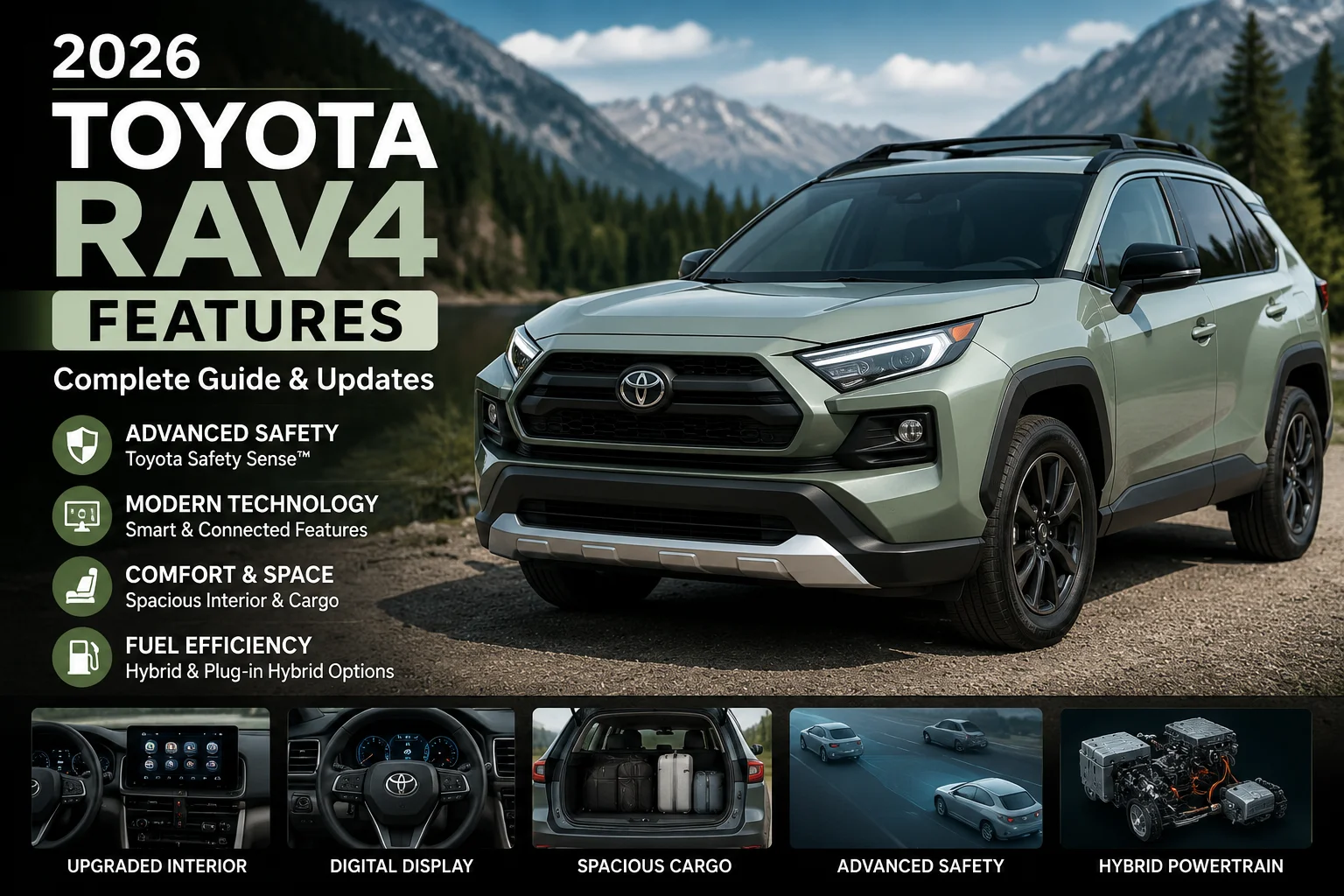
Choosing the Toyota RAV4 Hybrid offers numerous advantages even if you’re not eligible for federal tax credits. Its exceptional fuel efficiency helps save money at the pump, while the reliable Toyota hybrid system ensures smooth performance and longevity. The RAV4 Hybrid also comes with advanced safety features like Toyota Safety Sense, a comfortable and spacious interior, and modern tech options including an intuitive infotainment system.
Additionally, the hybrid model produces lower emissions compared to standard gas only SUVs, making it an eco friendly choice. Overall, the RAV4 Hybrid combines efficiency, reliability, and comfort, providing long term value well beyond any tax incentives.
Federal Tax Credits for Electric and Hybrid Toyota Models
Qualifying Toyota Models
- Prius Prime / Prius Plug In Hybrid: Older Prius Plug In models (2012 to 2015) were eligible for up to $2,500.
- Prius Prime (2017 to 2022): Eligible for up to $4,502 in the federal tax credit.
- RAV4 Prime (Plug in Hybrid, 2021 to 2022): Previously eligible for up to $7,500.
- Toyota Mirai (Fuel Cell Vehicle): Listed in IRS Clean Vehicle eligible list.
Phase Out / Credit Limit
- Toyota has exceeded the 200,000 vehicle cap, meaning it no longer qualifies for the full $7,500 EV credit.
- The bZ4X EV from Toyota is not eligible for the tax credit anymore, because Toyota used up its available credits on PHEVs like Prius Prime and RAV4 Prime.
Main Requirements under IRA
- New clean vehicle credits require that the vehicle’s final assembly occurs in North America.
- There are also battery component and critical mineral sourcing rules to determine how much of the full credit you can get.
- Your income level (AGI) and the MSRP of the vehicle matter too you must meet certain limits.
Used EV Credit
- There is a used EV tax credit (up to $4,000) for previously owned electric / plug in hybrid vehicles under certain conditions.
- For used vehicles, some of the IRA’s North America assembly rules do not apply, which may help some Toyota PHEVs qualify.
Leasing Option
- Because Toyota may no longer qualify for direct credit on new vehicles (due to manufacturer cap), some buyers use a lease. In that case, the lessor (dealer) may claim the credit and pass part of the benefit to you.
Does a 2023 Toyota Rav4 Hybrid Qualify for Clean Vehicle Credit?
The 2023 RAV4 Hybrid is a traditional (non plug in) hybrid, meaning it cannot be recharged from an external source. Under current IRS / Inflation Reduction Act (IRA) rules, only plug in hybrids or fully electric vehicles are eligible for the credit. According to Toyota’s own environmental policy, as of 2023, no Toyota vehicles qualify for the Clean Vehicle Credit under Section 30D.
Claiming The EV Tax Credit Upfront vs Later
When it comes to the federal EV tax credit, buyers have two main options claiming it upfront or later. Claiming upfront typically happens when the dealer offers an incentive or rebate at the time of purchase this effectively lowers the vehicle’s purchase price immediately. However, this is usually only available if the dealer can pass the credit through, such as when leasing a vehicle. Claiming later means waiting until you file your federal tax return for the year you purchased the qualifying EV or plug in hybrid.
This allows you to receive the credit as a refund or reduction in taxes owed, but it does not reduce your upfront cost. It’s important to note that only qualifying vehicles fully electric or plug in hybrids meeting all IRS requirements can receive this credit, and regular hybrids like the RAV4 Hybrid are not eligible. Buyers should also check income limits and vehicle price caps before planning how to claim the credit.
Here’s Which Hybrids Qualify for Federal Tax Rebates
Which Hybrids Actually Qualify
- Chrysler Pacifica Plug‑In Hybrid (PHEV) One of the few hybrids eligible for up to $7,500.
- Ford Escape Plug‑In Hybrid Eligible, but only for a $3,750 credit under the current rules.
- Jeep 4xe Models Some Jeep PHEV models (like Wrangler or Grand Cherokee 4xe) are included in qualifying lists.
- Lincoln Corsair Grand Touring (PHEV) Also on the eligible list for $3,750.
- Honda Clarity Plug‑In Hybrid Was eligible under older rule check IRS / used EV credit rules carefully.
Conclusion
The 2025 Toyota RAV4 Hybrid 2025 is a reliable, fuel efficient SUV, but it does not qualify for federal tax credits. Buyers should consider the RAV4 Prime if federal incentives are important, or explore state level rebates and the vehicle’s long term savings from fuel efficiency. Regardless of tax credit eligibility, the RAV4 Hybrid remains a strong choice for eco conscious drivers seeking comfort, technology, and reliability.
Does the 2025 Toyota RAV4 Hybrid qualify for a federal tax credit?
No, the standard RAV4 Hybrid is a traditional hybrid and cannot be charged externally, so it does not meet the federal Clean Vehicle Tax Credit requirements. Only plug in hybrids or fully electric vehicles qualify.
Can I get state incentives or rebates for the RAV4 Hybrid?
Yes, some U.S. states offer additional incentives for hybrid vehicles, such as rebates, reduced registration fees, or HOV lane access. Check your state’s DMV or energy office website for details.
Does the RAV4 Prime qualify for the federal tax credit?
The RAV4 Prime (plug in hybrid) previously qualified for up to $7,500, but recent IRA rules restrict eligibility due to assembly location and battery sourcing requirements. Leasing programs may allow you to access some benefits.
How do I verify if a Toyota model is eligible for tax credits?
Check the IRS Clean Vehicle List, confirm the vehicle’s year, trim, and assembly location, and ensure battery components meet IRA rules. Also verify your income and MSRP limits.
Are there other benefits of the RAV4 Hybrid besides tax credits?
Yes, the RAV4 Hybrid offers high fuel efficiency, low emissions, advanced safety features, a comfortable interior, and long term reliability, making it a valuable choice even without federal tax incentives.